Magnetism and Electromagnetism | O Level Physics 5054 & IGCSE Physics 0625 | Detailed Free Notes To Score An A Star (A*)
Topics:
- Laws of magnetism
- Poles
- Attraction and repulsion
- Magnetic properties of matter
- Magnetic, non-magnetic and magnetized materials
- Methods of magnetization
- Methods of demagnetization
- Permanent and temporary magnets
- Induced magnetism
- Magnetic Field Lines
- Plotting magnetic field lines
- Magnetic screening
- Uses in Computer
- Electromagnetism
- Direction of Magnetic Field Lines
- Effects on Magnetic Field
- Uses of Magnets
Laws of Magnetism
Poles:
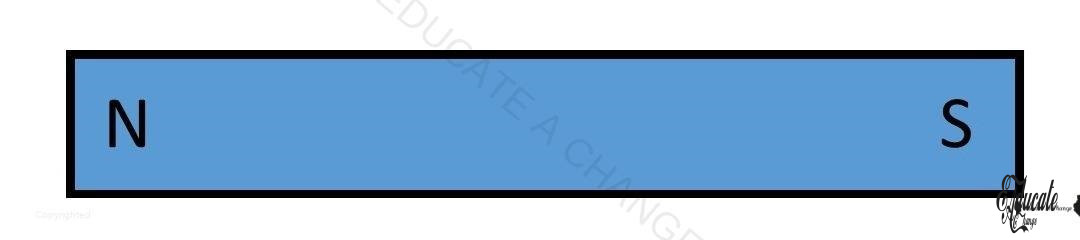
Every magnet has two poles: North and South pole. They are at opposite ends to each other.
Attraction and Repulsion:
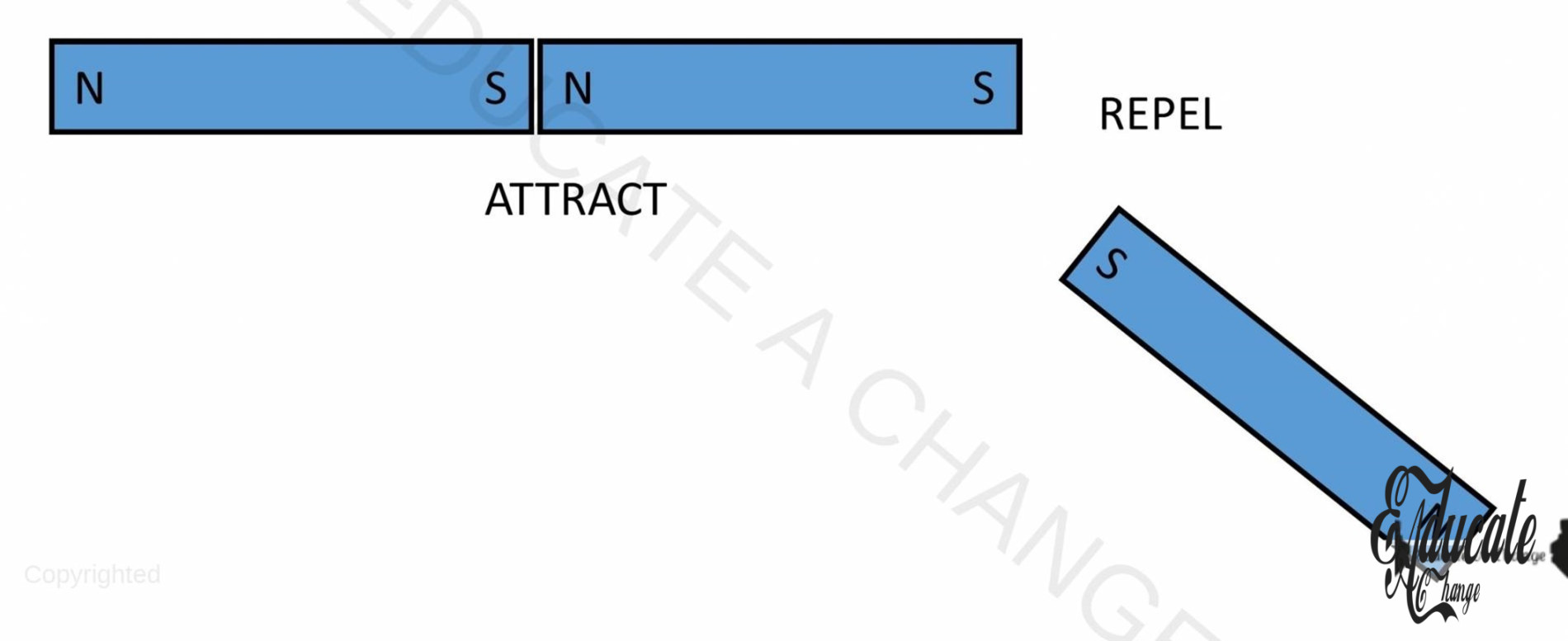
Like poles repel and unlike poles attract.
- North and North or South and South will repel.
- North and South will attract.
Magnetic Properties of Matter:
Magnetic, Non-Magnetic and Magnetized Materials:
- Magnetic materials:
- Materials that are attracted by the magnet
- Iron, Nickel, Cobalt, Steel
- Non-magnetic Materials:
- Materials that are not attracted by the magnet
- Aluminum, brass, wood etc.
- Magnetized Materials:
- Materials that are turned into a magnet and now has poles and acts as a magnet.
Methods of Magnetization:
Single Stroke and Double Stroke:
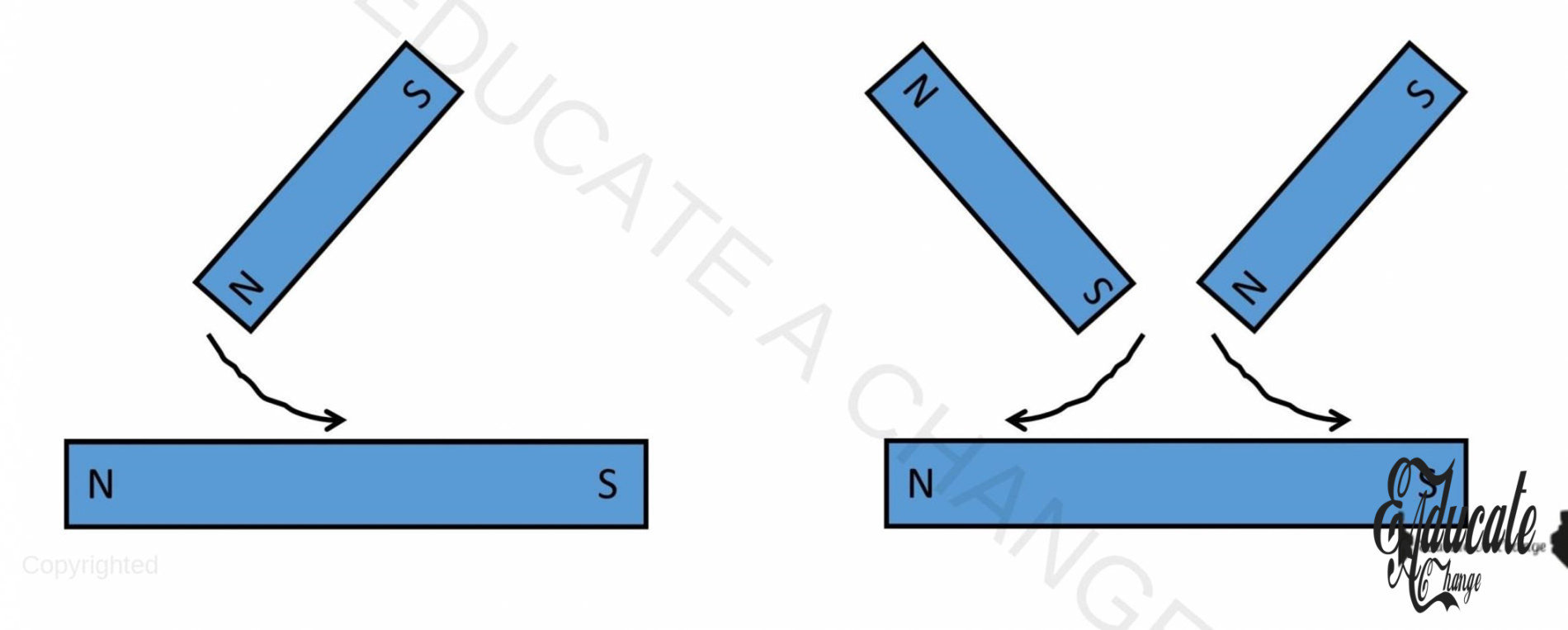
By stroking a magnetic material on a magnet, we can turn it into a magnet.
Passing Current/use of solenoid:
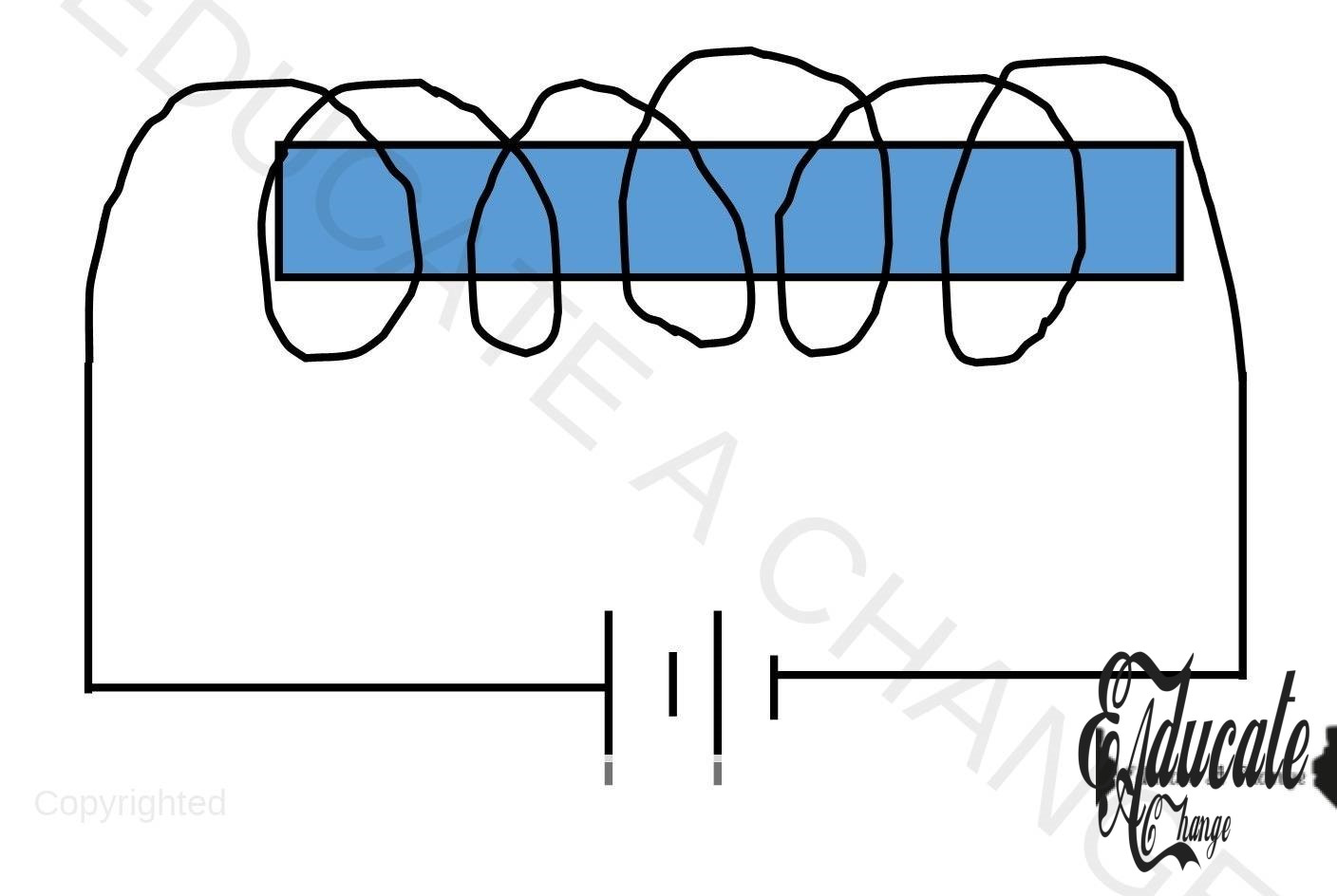
If we place a magnetic material in a solenoid and pass direct electricity through it, it will turn into a magnet.
Place it in Magnetic Field:
Placing a magnetic material in a magnetic field for a long time will turn it into a magnet itself.
Methods of Demagnetization:
Heating:
Heating a magnet will change the arrangement of the particles and make a magnet lose its magnetic properties.
Hammering:
Hammering a material or dropping it will demagnetize it.
By using Ac current:
Alternating current changes its direction, and hence the change in direction will cause demagnetization of a magnet.
Permanent and Temporary Magnets:
Permanent Magnets:
Magnets that retain their magnetic properties for a long period of time.
Temporary Magnets:
Magnets that lose their magnetic properties after a while or when the source is removed (e.g. electricity)
Iron and Steel:
| Iron | Steel |
| Easy to magnetize and demagnetize so makes temporary magnets | Hard to magnetize and demagnetize so makes permanent magnets |
| Used in transformers and motors |
Induced Magnetism:
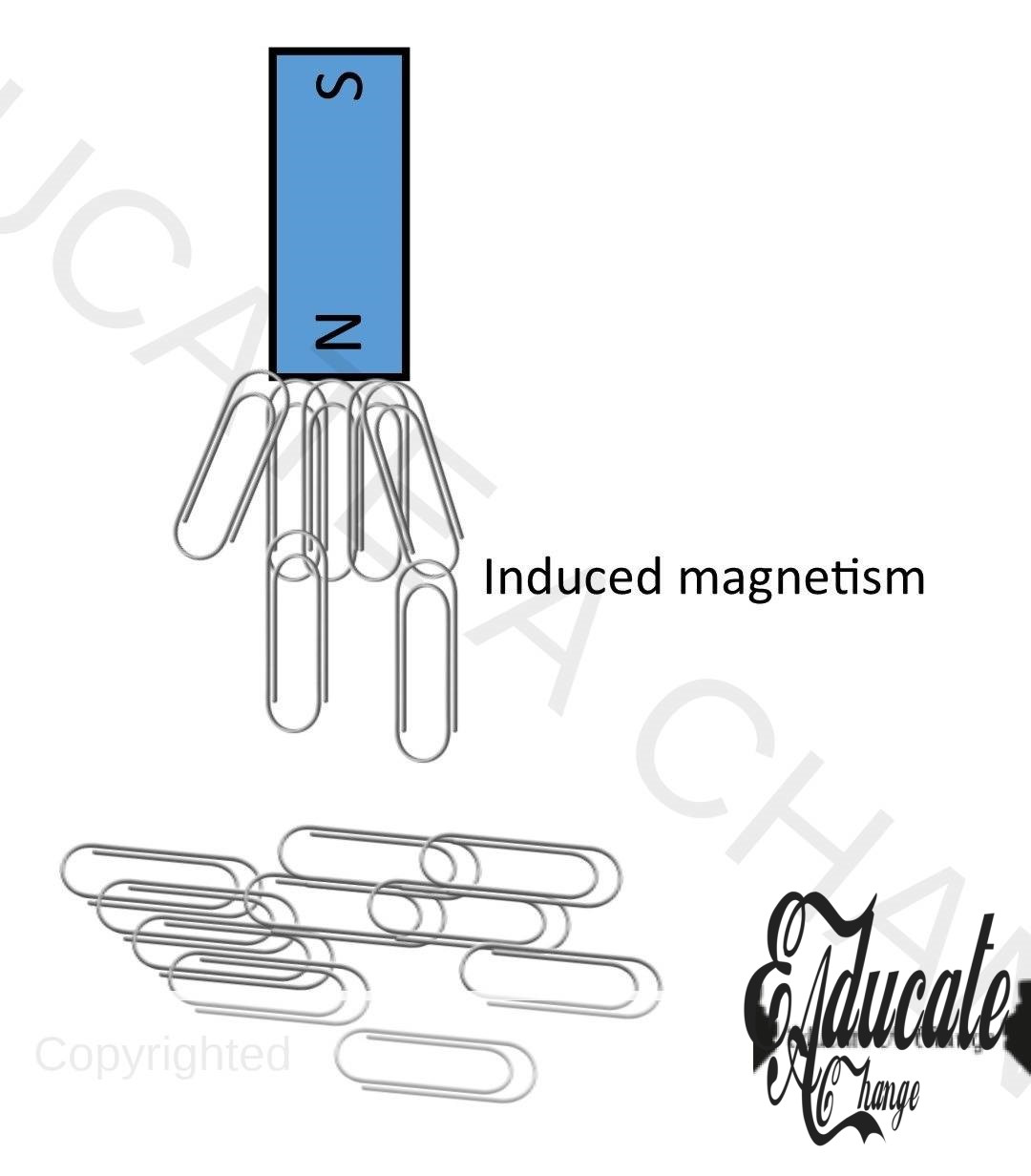
When we place a material in a magnetic field, it starts to act as a magnet. This is called induced magnetism. For example, placing a box of iron paperclips with a magnet, the paper clips will not only attract to the magnet but also to other clips.
Magnetic Field Lines:
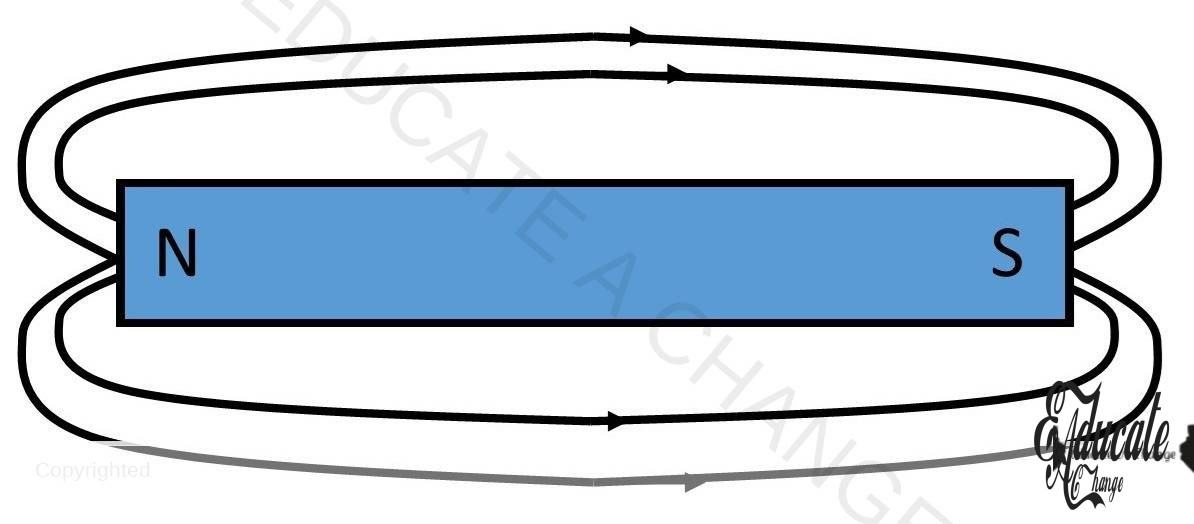
Magnetic field lines go out from the North pole and into the south pole. Repelling poles will scatter the field lines.
Plotting Magnetic Field Lines:
- We can use a compass to plot magnetic field lines.
- Place the compass near one pole of the magnet
- Mark the needle ends of the compass
- Move the compass to the mark.
- Mark again and continue until you have the field line.
Pic: plotting compass
Magnetic Screening:
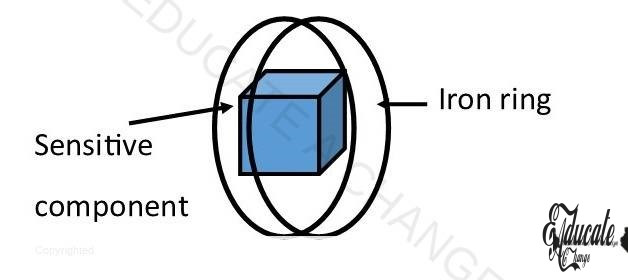
Magnetic Screening is a phenomenon of saving sensitive components from the effect of magnetic fields. This is done by placing the component inside a magnetic material. All the field lines pass through that material and the component remains safe. For example, placing component inside iron ring. The material should be both conductive and permeable to prevent magnetic field and electricity from effecting the component.
Uses in Computers:
Magnetic Materials are used in computer hard disks. The disks that store data are made from magnetic materials and data is stored on the surface as pits and bumps. (details in computer science course)
Electromagnetism:
Direction of Magnetic Field Lines:
On straight wires:
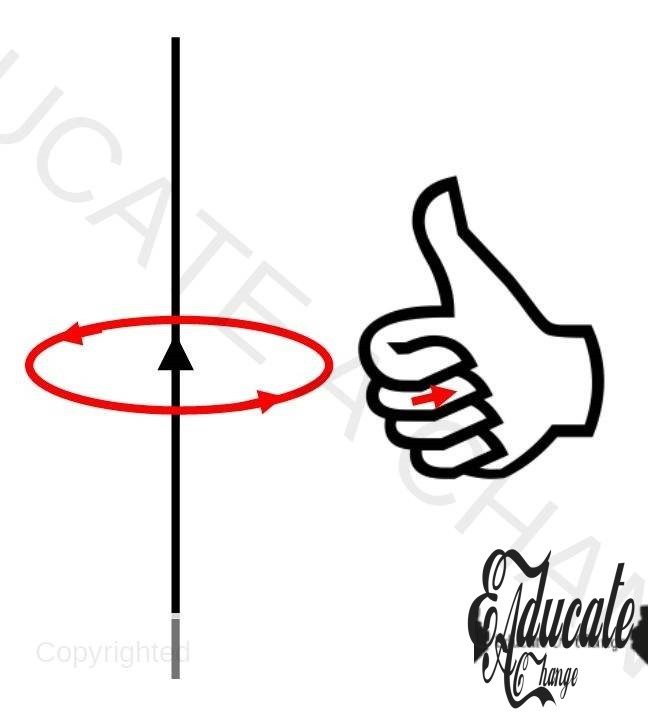
- We use the right-hand rule to determine the field lines on straight wires.
- Make a thumbs up with your right hand.
- Place your thumb in the direction of the current.
- The direction of your fingers will be direction of the magnetic field lines. (Clockwise or anti clockwise)
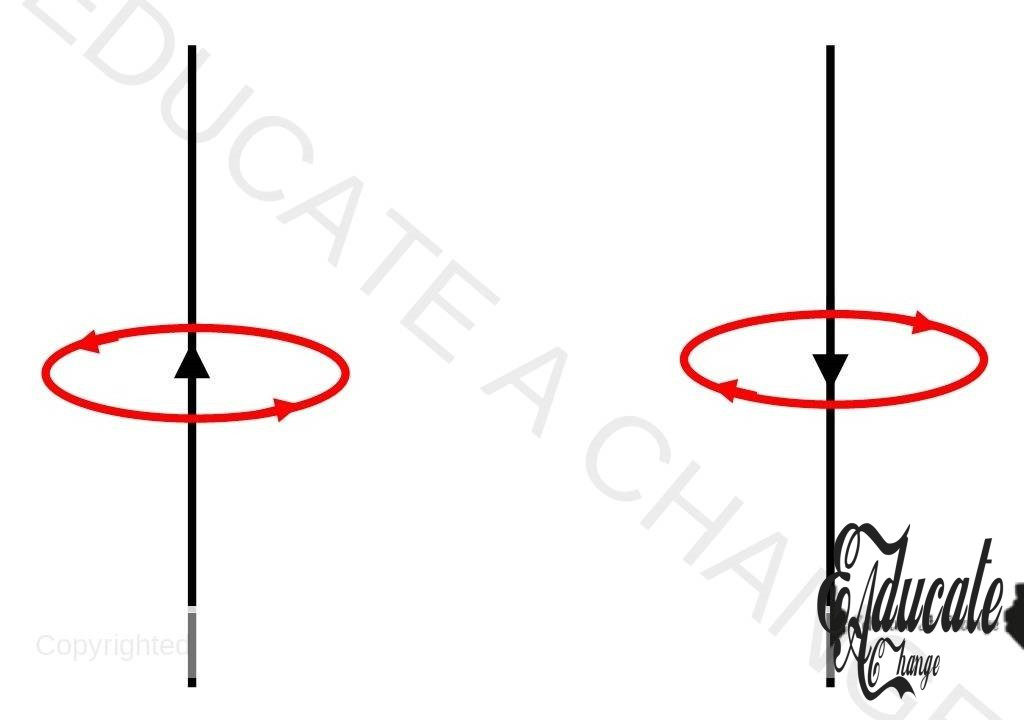
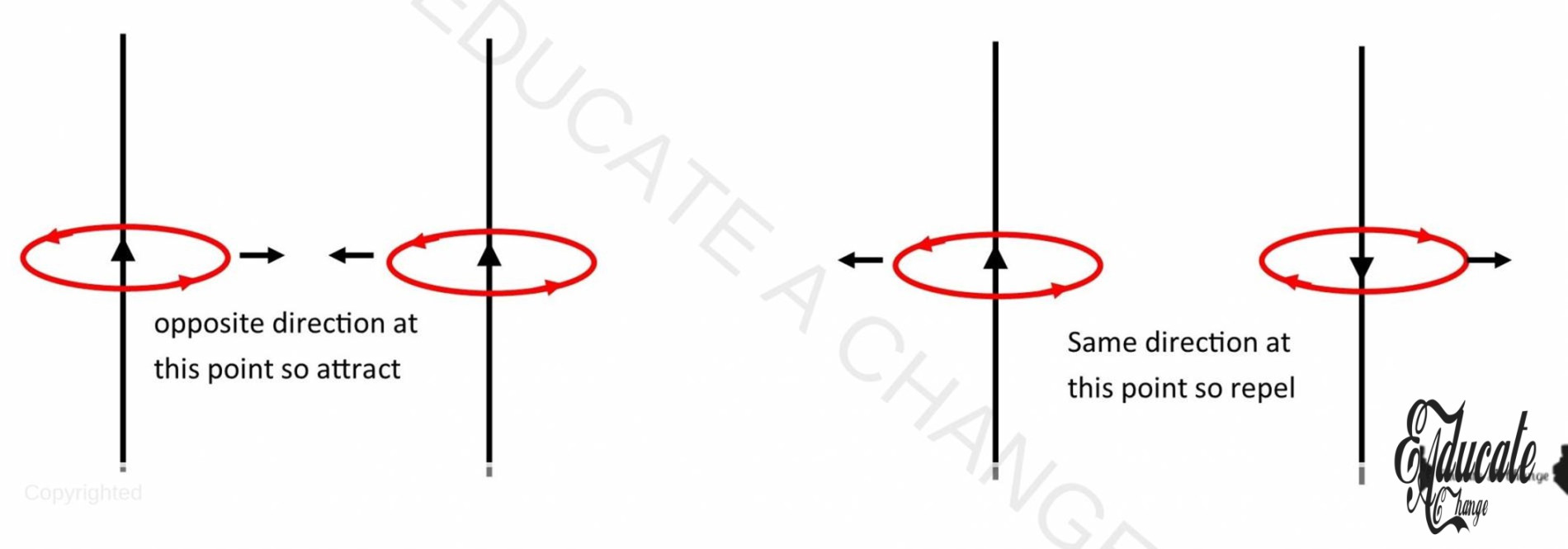
- If a point on two wires have the same direction of a field, they will repel. If they directions are opposing, they will attract.
Solenoid:
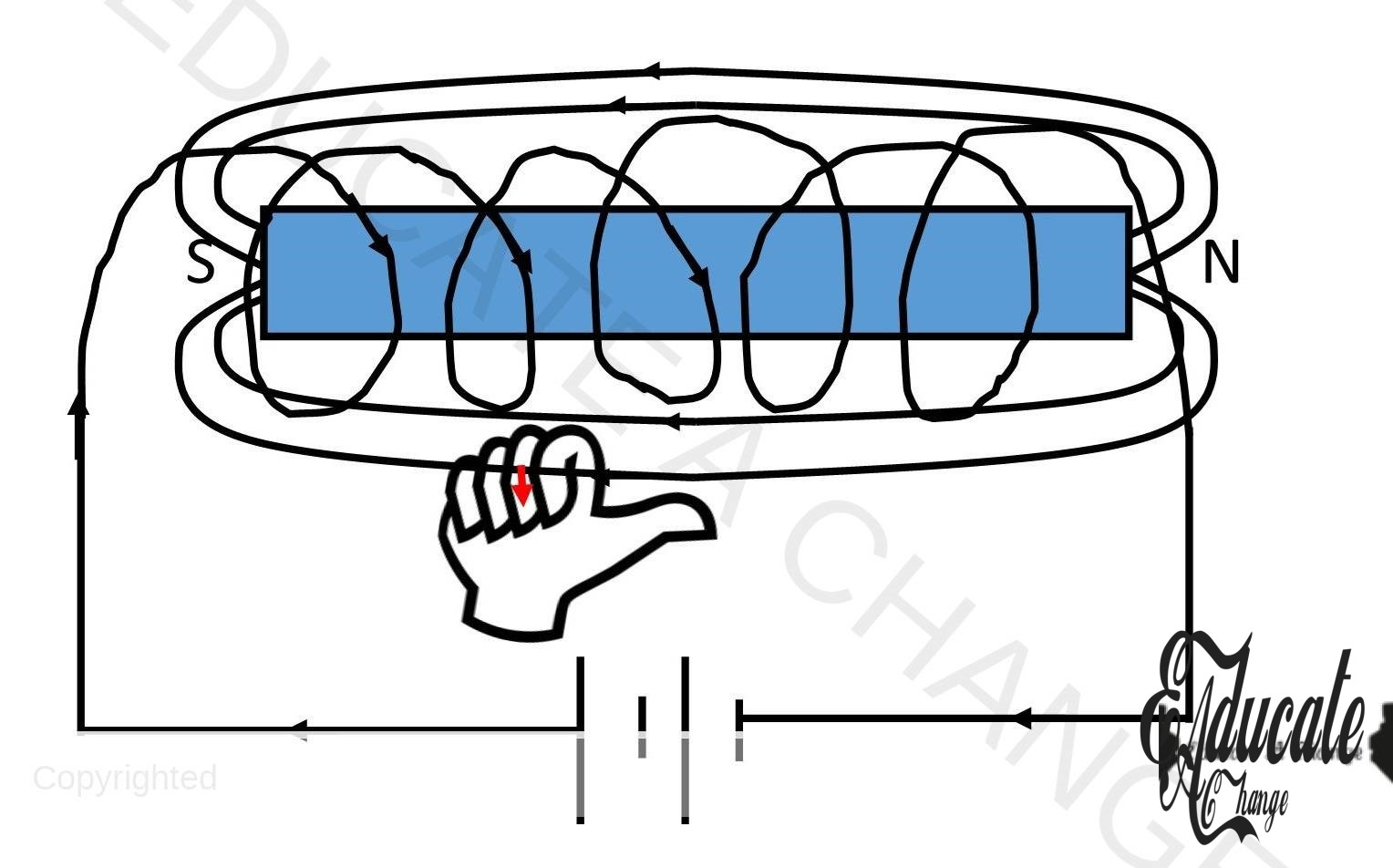
- On electromagnets that are made through solenoid. We again use the right-hand rule for the direction of magnetic field lines:
- Make a thumbs up with right hand and place the fingers in the direction of the current THROUGH THE SOLENOID.
- The direction of the thumb represents North pole.
- North to south are field lines.
Effects on Magnetic Fields:
- By reversing the direction of the current, our poles are also reversed
- By increasing the current, the strength of the field is increased.
Uses of Magnets:
Uses of Permanent Magnets:
- Compass
- Galvanometer
- Door catcher
- Loudspeaker
Uses of Electromagnets:
- Electric bells
- Reed-relay switches
- Magnetic tape
- Circuit breakers
- DC motors