
- 4 Sections
- 148 Lessons
- Lifetime
Expand all sectionsCollapse all sections
- Timelines/ Important Dates48
- 1.1Paper 1: The History & Culture of Pakistan: Cultural And Historical Background To The Pakistan Movement: How Successful Were The Religious Thinkers In Spreading Islam In The Subcontinent During The 18th And 19th Centuries?: How Important Were The Religious Reforms Of Shah Waliullah?
- 1.2Paper 1: The History & Culture of Pakistan: Cultural And Historical Background To The Pakistan Movement: How Successful Were The Religious Thinkers In Spreading Islam In The Subcontinent During The 18th And 19th Centuries?: What Influence Did Syed Ahmad Barelvi Exert In The Revival Of Islam?
- 1.3Paper 1: The History & Culture of Pakistan: Cultural And Historical Background To The Pakistan Movement: How Successful Were The Religious Thinkers In Spreading Islam In The Subcontinent During The 18th And 19th Centuries?: How Influential Was Haji Shariatullah And The Faraizi Movement?
- 1.4Paper 1: The History & Culture of Pakistan: Cultural And Historical Background To The Pakistan Movement: What Were The Causes And Consequences Of The Decline Of The Mughal Empire?: How Far Was Aurangzeb Responsible For The Decline Of The Mughal Empire?
- 1.5Paper 1: The History & Culture of Pakistan: Cultural And Historical Background To The Pakistan Movement: What Were The Causes And Consequences Of The Decline Of The Mughal Empire?: How Far Did Mughal Weaknesses From 1707 Make Decline Inevitable?
- 1.6Paper 1: The History & Culture of Pakistan: Cultural And Historical Background To The Pakistan Movement: What Were The Causes And Consequences Of The Decline Of The Mughal Empire?: How Far Did Mughal Weaknesses From 1707 Make Decline Inevitable?
- 1.7Paper 1: The History & Culture of Pakistan: Cultural And Historical Background To The Pakistan Movement: What Were The Causes And Consequences Of The Decline Of The Mughal Empire?: What Role Did The East India Company Play In The Decline Of The Empire?
- 1.8Paper 1: The History & Culture of Pakistan: Cultural And Historical Background To The Pakistan Movement: What Were The Causes And Consequences Of The Decline Of The Mughal Empire?: How Successful Was British Expansion In The Subcontinent To 1857?
- 1.9Paper 1: The History & Culture of Pakistan: Cultural And Historical Background To The Pakistan Movement: What Were The Causes And Consequences Of The War Of Independence 1857–58?: What Were The Long-term Causes Of The War?
- 1.10Paper 1: The History & Culture of Pakistan: Cultural And Historical Background To The Pakistan Movement: What Were The Causes And Consequences Of The War Of Independence 1857–58?: What Were The Immediate Causes Of The War?
- 1.11Paper 1: The History & Culture of Pakistan: Cultural And Historical Background To The Pakistan Movement: What Were The Causes And Consequences Of The War Of Independence 1857–58?: Why Was Independence Not Achieved?
- 1.12Paper 1: The History & Culture of Pakistan: Cultural And Historical Background To The Pakistan Movement: What Were The Causes And Consequences Of The War Of Independence 1857–58?: What Were The Immediate Consequences Of The War?
- 1.13Paper 1: The History & Culture of Pakistan: Cultural And Historical Background To The Pakistan Movement: How Important Was The Work Of Sir Syed Ahmad Khan To The Development Of The Pakistan Movement During The 19th Century?: What Was His Contribution To Education, Politics And Religion?
- 1.14Paper 1: The History & Culture of Pakistan: Cultural And Historical Background To The Pakistan Movement: How Important Was The Work Of Sir Syed Ahmad Khan To The Development Of The Pakistan Movement During The 19th Century?: How Important Was His ‘two-nation’ Theory?
- 1.15Paper 1: The History & Culture of Pakistan: Cultural And Historical Background To The Pakistan Movement: How Important Was The Work Of Sir Syed Ahmad Khan To The Development Of The Pakistan Movement During The 19th Century?: What Was The Hindi–urdu Controversy?
- 1.16Paper 1: The History & Culture of Pakistan: Cultural And Historical Background To The Pakistan Movement: How Important Was The Work Of Sir Syed Ahmad Khan To The Development Of The Pakistan Movement During The 19th Century?: How Successful Was The Aligarh Movement?
- 1.17Paper 1: The History & Culture of Pakistan: Cultural And Historical Background To The Pakistan Movement: To What Extent Have Urdu And Regional Languages Contributed To The Cultural Development Of Pakistan Since 1947?: Why Did Urdu Become The National Language?
- 1.18Paper 1: The History & Culture of Pakistan: Cultural And Historical Background To The Pakistan Movement: To What Extent Have Urdu And Regional Languages Contributed To The Cultural Development Of Pakistan Since 1947?: How Successful Has The Promotion Of Regional Languages Been Since 1947?
- 1.19Paper 1: The History & Culture of Pakistan: The Emergence of Pakistan 1906-1947: How Far Did The Pakistan Movement Develop During The Early 20th Century?: What Were The Aims And Origins Of The Muslim League?
- 1.20Paper 1: The History & Culture of Pakistan: The Emergence of Pakistan 1906-1947: How Far Did The Pakistan Movement Develop During The Early 20th Century?: How Successful Was British Rule And Attempts At Constitutional Reform During The Years 1909–19?
- 1.21Paper 1: The History & Culture of Pakistan: The Emergence of Pakistan 1906-1947: How Far Did The Pakistan Movement Develop During The Early 20th Century?: How And Why Did Relationships Between Muslims And Hindus Change Between 1916 And 1927?
- 1.22Paper 1: The History & Culture of Pakistan: The Emergence of Pakistan 1906-1947: How Successful Was The Khilafat Movement In Advancing The Cause Of The Pakistan Movement?: What Were The Origins, Aims And Main Features Of The Khilafat Movement?
- 1.23Paper 1: The History & Culture of Pakistan: The Emergence of Pakistan 1906-1947: How Successful Was The Khilafat Movement In Advancing The Cause Of The Pakistan Movement?: Why Did The Khilafat Movement Fail?
- 1.24Paper 1: The History & Culture of Pakistan: The Emergence of Pakistan 1906-1947: How Successful Was The Pakistan Movement In The Years 1927 To 1939?: Why Did Jinnah Produce His 14 Points Of 1929?
- 1.25Paper 1: The History & Culture of Pakistan: The Emergence of Pakistan 1906-1947: How Successful Was The Pakistan Movement In The Years 1927 To 1939?: How Successful Were The Three Round Table Conferences Of 1930–32?
- 1.26Paper 1: The History & Culture of Pakistan: The Emergence of Pakistan 1906-1947: How Successful Was The Pakistan Movement In The Years 1927 To 1939?: How Important Was The Government Of India Act, 1935?
- 1.27Paper 1: The History & Culture of Pakistan: The Emergence of Pakistan 1906-1947: How Successful Was The Pakistan Movement In The Years 1927 To 1939?: Why Was Congress Rule (1937–39) Unpopular With Many Muslims?
- 1.28Paper 1: The History & Culture of Pakistan: The Emergence of Pakistan 1906-1947: How Successful Were Attempts To Find Solutions To The Problems Facing The Subcontinent In The Years 1940 To 1947?: How Successful Were The Meetings Held During World War Ii To Agree The Future Of The Subcontinent?
- 1.29Paper 1: The History & Culture of Pakistan: The Emergence of Pakistan 1906-1947: How Successful Were Attempts To Find Solutions To The Problems Facing The Subcontinent In The Years 1940 To 1947?: How Did The Success Of The Muslim League In The 1945–46 Elections Lead To Changes In British Attempts To Solve The Problems Of The Subcontinent?
- 1.30Paper 1: The History & Culture of Pakistan: The Emergence of Pakistan 1906-1947: How Important Were The Contributions Of Jinnah, Allama Iqbal And Rahmat Ali To The Success Of The Pakistan Movement To 1947?: How Important Were Jinnah, Allama Iqbal And Rahmat Ali To The Pakistan Movement?
- 1.31Paper 1: The History & Culture of Pakistan: Nationhood 1947-1999: How Successful Was The Establishment Of An Independent Nation Between 1947 And 1948?: What Immediate Problems Faced Pakistan In The Establishment Of An Independent Nation?
- 1.32Paper 1: The History & Culture of Pakistan: Nationhood 1947-1999: How Successful Was The Establishment Of An Independent Nation Between 1947 And 1948?: How Successful Were Their Attempts To Solve These Problems?
- 1.33Paper 1: The History & Culture of Pakistan: Nationhood 1947-1999: How Successful Was The Establishment Of An Independent Nation Between 1947 And 1948?: How Important Was The Role Of Jinnah In Solving These Problems?
- 1.34Paper 1: The History & Culture of Pakistan: Nationhood 1947-1999: How Far Did Pakistan Achieve Stability Following The Death Of Jinnah?: What Were The Main Achievements Of The Various Ministries In The Years 1948–58?
- 1.35Paper 1: The History & Culture of Pakistan: Nationhood 1947-1999: How Far Did Pakistan Achieve Stability Following The Death Of Jinnah?: What Were The Achievements Of The ‘decade Of Progress’, 1958–69?
- 1.36Paper 1: The History & Culture of Pakistan: Nationhood 1947-1999: How Far Did Pakistan Achieve Stability Following The Death Of Jinnah?: What Attempts Were Made To Establish A New Constitution In The Years 1949–73?
- 1.37Paper 1: The History & Culture of Pakistan: Nationhood 1947-1999: Why Did East Pakistan Seek And Then Form The Independent State Of Bangladesh?: Why Did East Pakistan Seek Independence From West Pakistan?
- 1.38Paper 1: The History & Culture of Pakistan: Nationhood 1947-1999: Why Did East Pakistan Seek And Then Form The Independent State Of Bangladesh?: What Roles Did Sheikh Mujib-ur-rahman And The Awami League Play In The Independence Movement?
- 1.39Paper 1: The History & Culture of Pakistan: Nationhood 1947-1999: Why Did East Pakistan Seek And Then Form The Independent State Of Bangladesh?: How Did Bangladesh Achieve Independence In 1971?
- 1.40Paper 1: The History & Culture of Pakistan: Nationhood 1947-1999: How Successful Was Pakistan In The Twenty Years Following The ‘decade Of Progress’?: How Successful Were The Policies Of Zulfikar Ali Bhutto, 1971–77?
- 1.41Paper 1: The History & Culture of Pakistan: Nationhood 1947-1999: How Successful Was Pakistan In The Twenty Years Following The ‘decade Of Progress’?: Why Was Bhutto Overthrown In 1977?
- 1.42Paper 1: The History & Culture of Pakistan: Nationhood 1947-1999: How Successful Was Pakistan In The Twenty Years Following The ‘decade Of Progress’?: How Successful Were The Policies Of Zia-ul-haq, 1977–88?
- 1.43Paper 1: The History & Culture of Pakistan: Nationhood 1947-1999: How Successful Was Pakistan In The Twenty Years Following The ‘decade Of Progress’?: What Problems Did Zia-ul-haq Face?
- 1.44Paper 1: The History & Culture of Pakistan: Nationhood 1947-1999: How Effective Were Pakistan’s Governments In The Final Decade Of The 20th Century?: How Successful Were The Policies Of Benazir Bhutto, 1988–90, 1993–96?
- 1.45Paper 1: The History & Culture of Pakistan: Nationhood 1947-1999: How Effective Were Pakistan’s Governments In The Final Decade Of The 20th Century?: How Successful Were The Policies Of Nawaz Sharif, 1990–93, 1997–99?
- 1.46Paper 1: The History & Culture of Pakistan: Nationhood 1947-1999: How Effective Were Pakistan’s Governments In The Final Decade Of The 20th Century?: Why Did General Musharraf Take Power In 1999?
- 1.47Paper 1: The History & Culture of Pakistan: Nationhood 1947-1999: How Important Has Pakistan’s Role Been In World Affairs Since 1947?: How Has Pakistan Developed As A Nuclear Power?
- 1.48Paper 1: The History & Culture of Pakistan: Nationhood 1947-1999: How Important Has Pakistan’s Role Been In World Affairs Since 1947?: How Successful Has Pakistan Been In Its Relations With Bangladesh, India, Afghanistan, Iran, China, The Ussr/russia, The Usa, The Uk And The Commonwealth, And The United Nations?
- Cheat Sheets/ Revision Sheets47
- 2.1Paper 1: The History & Culture of Pakistan: Cultural And Historical Background To The Pakistan Movement: How Successful Were The Religious Thinkers In Spreading Islam In The Subcontinent During The 18th And 19th Centuries?: How Important Were The Religious Reforms Of Shah Waliullah?
- 2.2Paper 1: The History & Culture of Pakistan: Cultural And Historical Background To The Pakistan Movement: How Successful Were The Religious Thinkers In Spreading Islam In The Subcontinent During The 18th And 19th Centuries?: What Influence Did Syed Ahmad Barelvi Exert In The Revival Of Islam?
- 2.3Paper 1: The History & Culture of Pakistan: Cultural And Historical Background To The Pakistan Movement: How Successful Were The Religious Thinkers In Spreading Islam In The Subcontinent During The 18th And 19th Centuries?: How Influential Was Haji Shariatullah And The Faraizi Movement?
- 2.4Paper 1: The History & Culture of Pakistan: Cultural And Historical Background To The Pakistan Movement: What Were The Causes And Consequences Of The Decline Of The Mughal Empire?: How Far Was Aurangzeb Responsible For The Decline Of The Mughal Empire?
- 2.5Paper 1: The History & Culture of Pakistan: Cultural And Historical Background To The Pakistan Movement: What Were The Causes And Consequences Of The Decline Of The Mughal Empire?: How Far Did Mughal Weaknesses From 1707 Make Decline Inevitable?
- 2.6Paper 1: The History & Culture of Pakistan: Cultural And Historical Background To The Pakistan Movement: What Were The Causes And Consequences Of The Decline Of The Mughal Empire?: What Role Did The East India Company Play In The Decline Of The Empire?
- 2.7Paper 1: The History & Culture of Pakistan: Cultural And Historical Background To The Pakistan Movement: What Were The Causes And Consequences Of The Decline Of The Mughal Empire?: How Successful Was British Expansion In The Subcontinent To 1857?
- 2.8Paper 1: The History & Culture of Pakistan: Cultural And Historical Background To The Pakistan Movement: What Were The Causes And Consequences Of The War Of Independence 1857–58?: What Were The Long-term Causes Of The War?
- 2.9Paper 1: The History & Culture of Pakistan: Cultural And Historical Background To The Pakistan Movement: What Were The Causes And Consequences Of The War Of Independence 1857–58?: What Were The Immediate Causes Of The War?
- 2.10Paper 1: The History & Culture of Pakistan: Cultural And Historical Background To The Pakistan Movement: What Were The Causes And Consequences Of The War Of Independence 1857–58?: Why Was Independence Not Achieved?
- 2.11Paper 1: The History & Culture of Pakistan: Cultural And Historical Background To The Pakistan Movement: What Were The Causes And Consequences Of The War Of Independence 1857–58?: What Were The Immediate Consequences Of The War?
- 2.12Paper 1: The History & Culture of Pakistan: Cultural And Historical Background To The Pakistan Movement: How Important Was The Work Of Sir Syed Ahmad Khan To The Development Of The Pakistan Movement During The 19th Century?: What Was His Contribution To Education, Politics And Religion?
- 2.13Paper 1: The History & Culture of Pakistan: Cultural And Historical Background To The Pakistan Movement: How Important Was The Work Of Sir Syed Ahmad Khan To The Development Of The Pakistan Movement During The 19th Century?: How Important Was His ‘two-nation’ Theory?
- 2.14Paper 1: The History & Culture of Pakistan: Cultural And Historical Background To The Pakistan Movement: How Important Was The Work Of Sir Syed Ahmad Khan To The Development Of The Pakistan Movement During The 19th Century?: What Was The Hindi–urdu Controversy?
- 2.15Paper 1: The History & Culture of Pakistan: Cultural And Historical Background To The Pakistan Movement: How Important Was The Work Of Sir Syed Ahmad Khan To The Development Of The Pakistan Movement During The 19th Century?: How Successful Was The Aligarh Movement?
- 2.16Paper 1: The History & Culture of Pakistan: Cultural And Historical Background To The Pakistan Movement: To What Extent Have Urdu And Regional Languages Contributed To The Cultural Development Of Pakistan Since 1947?: Why Did Urdu Become The National Language?
- 2.17Paper 1: The History & Culture of Pakistan: Cultural And Historical Background To The Pakistan Movement: To What Extent Have Urdu And Regional Languages Contributed To The Cultural Development Of Pakistan Since 1947?: How Successful Has The Promotion Of Regional Languages Been Since 1947?
- 2.18Paper 1: The History & Culture of Pakistan: The Emergence of Pakistan 1906-1947: How Far Did The Pakistan Movement Develop During The Early 20th Century?: What Were The Aims And Origins Of The Muslim League?
- 2.19Paper 1: The History & Culture of Pakistan: The Emergence of Pakistan 1906-1947: How Far Did The Pakistan Movement Develop During The Early 20th Century?: How And Why Did Relationships Between Muslims And Hindus Change Between 1916 And 1927?
- 2.20Paper 1: The History & Culture of Pakistan: The Emergence of Pakistan 1906-1947: How Far Did The Pakistan Movement Develop During The Early 20th Century?: How Successful Was British Rule And Attempts At Constitutional Reform During The Years 1909–19?
- 2.21Paper 1: The History & Culture of Pakistan: The Emergence of Pakistan 1906-1947: How Successful Was The Khilafat Movement In Advancing The Cause Of The Pakistan Movement?: What Were The Origins, Aims And Main Features Of The Khilafat Movement?
- 2.22Paper 1: The History & Culture of Pakistan: The Emergence of Pakistan 1906-1947: How Successful Was The Khilafat Movement In Advancing The Cause Of The Pakistan Movement?: Why Did The Khilafat Movement Fail?
- 2.23Paper 1: The History & Culture of Pakistan: The Emergence of Pakistan 1906-1947: How Successful Was The Pakistan Movement In The Years 1927 To 1939?: Why Did Jinnah Produce His 14 Points Of 1929?
- 2.24Paper 1: The History & Culture of Pakistan: The Emergence of Pakistan 1906-1947: How Successful Was The Pakistan Movement In The Years 1927 To 1939?: How Successful Were The Three Round Table Conferences Of 1930–32?
- 2.25Paper 1: The History & Culture of Pakistan: The Emergence of Pakistan 1906-1947: How Successful Was The Pakistan Movement In The Years 1927 To 1939?: How Important Was The Government Of India Act, 1935?
- 2.26Paper 1: The History & Culture of Pakistan: The Emergence of Pakistan 1906-1947: How Successful Was The Pakistan Movement In The Years 1927 To 1939?: Why Was Congress Rule (1937–39) Unpopular With Many Muslims?
- 2.27Paper 1: The History & Culture of Pakistan: The Emergence of Pakistan 1906-1947: How Successful Were Attempts To Find Solutions To The Problems Facing The Subcontinent In The Years 1940 To 1947?: How Successful Were The Meetings Held During World War Ii To Agree The Future Of The Subcontinent?
- 2.28Paper 1: The History & Culture of Pakistan: The Emergence of Pakistan 1906-1947: How Successful Were Attempts To Find Solutions To The Problems Facing The Subcontinent In The Years 1940 To 1947?: How Did The Success Of The Muslim League In The 1945–46 Elections Lead To Changes In British Attempts To Solve The Problems Of The Subcontinent?
- 2.29Paper 1: The History & Culture of Pakistan: The Emergence of Pakistan 1906-1947: How Important Were The Contributions Of Jinnah, Allama Iqbal And Rahmat Ali To The Success Of The Pakistan Movement To 1947?: How Important Were Jinnah, Allama Iqbal And Rahmat Ali To The Pakistan Movement?
- 2.30Paper 1: The History & Culture of Pakistan: Nationhood 1947-1999: How Successful Was The Establishment Of An Independent Nation Between 1947 And 1948?: What Immediate Problems Faced Pakistan In The Establishment Of An Independent Nation?
- 2.31Paper 1: The History & Culture of Pakistan: Nationhood 1947-1999: How Successful Was The Establishment Of An Independent Nation Between 1947 And 1948?: How Successful Were Their Attempts To Solve These Problems?
- 2.32Paper 1: The History & Culture of Pakistan: Nationhood 1947-1999: How Successful Was The Establishment Of An Independent Nation Between 1947 And 1948?: How Important Was The Role Of Jinnah In Solving These Problems?
- 2.33Paper 1: The History & Culture of Pakistan: Nationhood 1947-1999: How Far Did Pakistan Achieve Stability Following The Death Of Jinnah?: What Were The Main Achievements Of The Various Ministries In The Years 1948–58?
- 2.34Paper 1: The History & Culture of Pakistan: Nationhood 1947-1999: How Far Did Pakistan Achieve Stability Following The Death Of Jinnah?: What Were The Achievements Of The ‘decade Of Progress’, 1958–69?
- 2.35Paper 1: The History & Culture of Pakistan: Nationhood 1947-1999: How Far Did Pakistan Achieve Stability Following The Death Of Jinnah?: What Attempts Were Made To Establish A New Constitution In The Years 1949–73?
- 2.36Paper 1: The History & Culture of Pakistan: Nationhood 1947-1999: Why Did East Pakistan Seek And Then Form The Independent State Of Bangladesh?: Why Did East Pakistan Seek Independence From West Pakistan?
- 2.37Paper 1: The History & Culture of Pakistan: Nationhood 1947-1999: Why Did East Pakistan Seek And Then Form The Independent State Of Bangladesh?: What Roles Did Sheikh Mujib-ur-rahman And The Awami League Play In The Independence Movement?
- 2.38Paper 1: The History & Culture of Pakistan: Nationhood 1947-1999: Why Did East Pakistan Seek And Then Form The Independent State Of Bangladesh?: How Did Bangladesh Achieve Independence In 1971?
- 2.39Paper 1: The History & Culture of Pakistan: Nationhood 1947-1999: How Successful Was Pakistan In The Twenty Years Following The ‘decade Of Progress’?: How Successful Were The Policies Of Zulfikar Ali Bhutto, 1971–77?
- 2.40Paper 1: The History & Culture of Pakistan: Nationhood 1947-1999: How Successful Was Pakistan In The Twenty Years Following The ‘decade Of Progress’?: Why Was Bhutto Overthrown In 1977?
- 2.41Paper 1: The History & Culture of Pakistan: Nationhood 1947-1999: How Successful Was Pakistan In The Twenty Years Following The ‘decade Of Progress’?: How Successful Were The Policies Of Zia-ul-haq, 1977–88?
- 2.42Paper 1: The History & Culture of Pakistan: Nationhood 1947-1999: How Successful Was Pakistan In The Twenty Years Following The ‘decade Of Progress’?: What Problems Did Zia-ul-haq Face?
- 2.43Paper 1: The History & Culture of Pakistan: Nationhood 1947-1999: How Effective Were Pakistan’s Governments In The Final Decade Of The 20th Century?: How Successful Were The Policies Of Benazir Bhutto, 1988–90, 1993–96?
- 2.44Paper 1: The History & Culture of Pakistan: Nationhood 1947-1999: How Effective Were Pakistan’s Governments In The Final Decade Of The 20th Century?: How Successful Were The Policies Of Nawaz Sharif, 1990–93, 1997–99?
- 2.45Paper 1: The History & Culture of Pakistan: Nationhood 1947-1999: How Effective Were Pakistan’s Governments In The Final Decade Of The 20th Century?: Why Did General Musharraf Take Power In 1999?
- 2.46Paper 1: The History & Culture of Pakistan: Nationhood 1947-1999: How Important Has Pakistan’s Role Been In World Affairs Since 1947?: How Has Pakistan Developed As A Nuclear Power?
- 2.47Paper 1: The History & Culture of Pakistan: Nationhood 1947-1999: How Important Has Pakistan’s Role Been In World Affairs Since 1947?: How Successful Has Pakistan Been In Its Relations With Bangladesh, India, Afghanistan, Iran, China, The Ussr/russia, The Usa, The Uk And The Commonwealth, And The United Nations?
- Practice Questions + Model Answers47
- 3.1Paper 1: The History & Culture of Pakistan: Cultural And Historical Background To The Pakistan Movement: How Successful Were The Religious Thinkers In Spreading Islam In The Subcontinent During The 18th And 19th Centuries?: How Important Were The Religious Reforms Of Shah Waliullah?
- 3.2Paper 1: The History & Culture of Pakistan: Cultural And Historical Background To The Pakistan Movement: How Successful Were The Religious Thinkers In Spreading Islam In The Subcontinent During The 18th And 19th Centuries?: What Influence Did Syed Ahmad Barelvi Exert In The Revival Of Islam?
- 3.3Paper 1: The History & Culture of Pakistan: Cultural And Historical Background To The Pakistan Movement: How Successful Were The Religious Thinkers In Spreading Islam In The Subcontinent During The 18th And 19th Centuries?: How Influential Was Haji Shariatullah And The Faraizi Movement?
- 3.4Paper 1: The History & Culture of Pakistan: Cultural And Historical Background To The Pakistan Movement: What Were The Causes And Consequences Of The Decline Of The Mughal Empire?: How Far Was Aurangzeb Responsible For The Decline Of The Mughal Empire?
- 3.5Paper 1: The History & Culture of Pakistan: Cultural And Historical Background To The Pakistan Movement: What Were The Causes And Consequences Of The Decline Of The Mughal Empire?: How Far Did Mughal Weaknesses From 1707 Make Decline Inevitable?
- 3.6Paper 1: The History & Culture of Pakistan: Cultural And Historical Background To The Pakistan Movement: What Were The Causes And Consequences Of The Decline Of The Mughal Empire?: What Role Did The East India Company Play In The Decline Of The Empire?
- 3.7Paper 1: The History & Culture of Pakistan: Cultural And Historical Background To The Pakistan Movement: What Were The Causes And Consequences Of The Decline Of The Mughal Empire?: How Successful Was British Expansion In The Subcontinent To 1857?
- 3.8Paper 1: The History & Culture of Pakistan: Cultural And Historical Background To The Pakistan Movement: What Were The Causes And Consequences Of The War Of Independence 1857–58?: What Were The Long-term Causes Of The War?
- 3.9Paper 1: The History & Culture of Pakistan: Cultural And Historical Background To The Pakistan Movement: What Were The Causes And Consequences Of The War Of Independence 1857–58?: What Were The Immediate Causes Of The War?
- 3.10Paper 1: The History & Culture of Pakistan: Cultural And Historical Background To The Pakistan Movement: What Were The Causes And Consequences Of The War Of Independence 1857–58?: Why Was Independence Not Achieved?
- 3.11Paper 1: The History & Culture of Pakistan: Cultural And Historical Background To The Pakistan Movement: What Were The Causes And Consequences Of The War Of Independence 1857–58?: What Were The Immediate Consequences Of The War?
- 3.12Paper 1: The History & Culture of Pakistan: Cultural And Historical Background To The Pakistan Movement: How Important Was The Work Of Sir Syed Ahmad Khan To The Development Of The Pakistan Movement During The 19th Century?: What Was His Contribution To Education, Politics And Religion?
- 3.13Paper 1: The History & Culture of Pakistan: Cultural And Historical Background To The Pakistan Movement: How Important Was The Work Of Sir Syed Ahmad Khan To The Development Of The Pakistan Movement During The 19th Century?: How Important Was His ‘two-nation’ Theory?
- 3.14Paper 1: The History & Culture of Pakistan: Cultural And Historical Background To The Pakistan Movement: How Important Was The Work Of Sir Syed Ahmad Khan To The Development Of The Pakistan Movement During The 19th Century?: What Was The Hindi–urdu Controversy?
- 3.15Paper 1: The History & Culture of Pakistan: Cultural And Historical Background To The Pakistan Movement: How Important Was The Work Of Sir Syed Ahmad Khan To The Development Of The Pakistan Movement During The 19th Century?: How Successful Was The Aligarh Movement?
- 3.16Paper 1: The History & Culture of Pakistan: Cultural And Historical Background To The Pakistan Movement: To What Extent Have Urdu And Regional Languages Contributed To The Cultural Development Of Pakistan Since 1947?: Why Did Urdu Become The National Language?
- 3.17Paper 1: The History & Culture of Pakistan: Cultural And Historical Background To The Pakistan Movement: To What Extent Have Urdu And Regional Languages Contributed To The Cultural Development Of Pakistan Since 1947?: How Successful Has The Promotion Of Regional Languages Been Since 1947?
- 3.18Paper 1: The History & Culture of Pakistan: The Emergence of Pakistan 1906-1947: How Far Did The Pakistan Movement Develop During The Early 20th Century?: What Were The Aims And Origins Of The Muslim League?
- 3.19Paper 1: The History & Culture of Pakistan: The Emergence of Pakistan 1906-1947: How Far Did The Pakistan Movement Develop During The Early 20th Century?: How Successful Was British Rule And Attempts At Constitutional Reform During The Years 1909–19?
- 3.20Paper 1: The History & Culture of Pakistan: The Emergence of Pakistan 1906-1947: How Far Did The Pakistan Movement Develop During The Early 20th Century?: How And Why Did Relationships Between Muslims And Hindus Change Between 1916 And 1927?
- 3.21Paper 1: The History & Culture of Pakistan: The Emergence of Pakistan 1906-1947: How Successful Was The Khilafat Movement In Advancing The Cause Of The Pakistan Movement?: What Were The Origins, Aims And Main Features Of The Khilafat Movement?
- 3.22Paper 1: The History & Culture of Pakistan: The Emergence of Pakistan 1906-1947: How Successful Was The Khilafat Movement In Advancing The Cause Of The Pakistan Movement?: Why Did The Khilafat Movement Fail?
- 3.23Paper 1: The History & Culture of Pakistan: The Emergence of Pakistan 1906-1947: How Successful Was The Pakistan Movement In The Years 1927 To 1939?: Why Did Jinnah Produce His 14 Points Of 1929?
- 3.24Paper 1: The History & Culture of Pakistan: The Emergence of Pakistan 1906-1947: How Successful Was The Pakistan Movement In The Years 1927 To 1939?: How Successful Were The Three Round Table Conferences Of 1930–32?
- 3.25Paper 1: The History & Culture of Pakistan: The Emergence of Pakistan 1906-1947: How Successful Was The Pakistan Movement In The Years 1927 To 1939?: How Important Was The Government Of India Act, 1935?
- 3.26Paper 1: The History & Culture of Pakistan: The Emergence of Pakistan 1906-1947: How Successful Was The Pakistan Movement In The Years 1927 To 1939?: Why Was Congress Rule (1937–39) Unpopular With Many Muslims?
- 3.27Paper 1: The History & Culture of Pakistan: The Emergence of Pakistan 1906-1947: How Successful Were Attempts To Find Solutions To The Problems Facing The Subcontinent In The Years 1940 To 1947?: How Successful Were The Meetings Held During World War Ii To Agree The Future Of The Subcontinent?
- 3.28Paper 1: The History & Culture of Pakistan: The Emergence of Pakistan 1906-1947: How Successful Were Attempts To Find Solutions To The Problems Facing The Subcontinent In The Years 1940 To 1947?: How Did The Success Of The Muslim League In The 1945–46 Elections Lead To Changes In British Attempts To Solve The Problems Of The Subcontinent?
- 3.29Paper 1: The History & Culture of Pakistan: The Emergence of Pakistan 1906-1947: How Important Were The Contributions Of Jinnah, Allama Iqbal And Rahmat Ali To The Success Of The Pakistan Movement To 1947?: How Important Were Jinnah, Allama Iqbal And Rahmat Ali To The Pakistan Movement?
- 3.30Paper 1: The History & Culture of Pakistan: Nationhood 1947-1999: How Successful Was The Establishment Of An Independent Nation Between 1947 And 1948?: What Immediate Problems Faced Pakistan In The Establishment Of An Independent Nation?
- 3.31Paper 1: The History & Culture of Pakistan: Nationhood 1947-1999: How Successful Was The Establishment Of An Independent Nation Between 1947 And 1948?: How Successful Were Their Attempts To Solve These Problems?
- 3.32Paper 1: The History & Culture of Pakistan: Nationhood 1947-1999: How Successful Was The Establishment Of An Independent Nation Between 1947 And 1948?: How Important Was The Role Of Jinnah In Solving These Problems?
- 3.33Paper 1: The History & Culture of Pakistan: Nationhood 1947-1999: How Far Did Pakistan Achieve Stability Following The Death Of Jinnah?: What Were The Main Achievements Of The Various Ministries In The Years 1948–58?
- 3.34Paper 1: The History & Culture of Pakistan: Nationhood 1947-1999: How Far Did Pakistan Achieve Stability Following The Death Of Jinnah?: What Were The Achievements Of The ‘decade Of Progress’, 1958–69?
- 3.35Paper 1: The History & Culture of Pakistan: Nationhood 1947-1999: How Far Did Pakistan Achieve Stability Following The Death Of Jinnah?: What Attempts Were Made To Establish A New Constitution In The Years 1949–73?
- 3.36Paper 1: The History & Culture of Pakistan: Nationhood 1947-1999: Why Did East Pakistan Seek And Then Form The Independent State Of Bangladesh?: Why Did East Pakistan Seek Independence From West Pakistan?
- 3.37Paper 1: The History & Culture of Pakistan: Nationhood 1947-1999: Why Did East Pakistan Seek And Then Form The Independent State Of Bangladesh?: What Roles Did Sheikh Mujib-ur-rahman And The Awami League Play In The Independence Movement?
- 3.38Paper 1: The History & Culture of Pakistan: Nationhood 1947-1999: Why Did East Pakistan Seek And Then Form The Independent State Of Bangladesh?: How Did Bangladesh Achieve Independence In 1971?
- 3.39Paper 1: The History & Culture of Pakistan: Nationhood 1947-1999: How Successful Was Pakistan In The Twenty Years Following The ‘decade Of Progress’?: How Successful Were The Policies Of Zulfikar Ali Bhutto, 1971–77?
- 3.40Paper 1: The History & Culture of Pakistan: Nationhood 1947-1999: How Successful Was Pakistan In The Twenty Years Following The ‘decade Of Progress’?: Why Was Bhutto Overthrown In 1977?
- 3.41Paper 1: The History & Culture of Pakistan: Nationhood 1947-1999: How Successful Was Pakistan In The Twenty Years Following The ‘decade Of Progress’?: How Successful Were The Policies Of Zia-ul-haq, 1977–88?
- 3.42Paper 1: The History & Culture of Pakistan: Nationhood 1947-1999: How Successful Was Pakistan In The Twenty Years Following The ‘decade Of Progress’?: What Problems Did Zia-ul-haq Face?
- 3.43Paper 1: The History & Culture of Pakistan: Nationhood 1947-1999: How Effective Were Pakistan’s Governments In The Final Decade Of The 20th Century?: How Successful Were The Policies Of Benazir Bhutto, 1988–90, 1993–96?
- 3.44Paper 1: The History & Culture of Pakistan: Nationhood 1947-1999: How Effective Were Pakistan’s Governments In The Final Decade Of The 20th Century?: How Successful Were The Policies Of Nawaz Sharif, 1990–93, 1997–99?
- 3.45Paper 1: The History & Culture of Pakistan: Nationhood 1947-1999: How Effective Were Pakistan’s Governments In The Final Decade Of The 20th Century?: Why Did General Musharraf Take Power In 1999?
- 3.46Paper 1: The History & Culture of Pakistan: Nationhood 1947-1999: How Important Has Pakistan’s Role Been In World Affairs Since 1947?: How Has Pakistan Developed As A Nuclear Power?
- 3.47Paper 1: The History & Culture of Pakistan: Nationhood 1947-1999: How Important Has Pakistan’s Role Been In World Affairs Since 1947?: How Successful Has Pakistan Been In Its Relations With Bangladesh, India, Afghanistan, Iran, China, The Ussr/russia, The Usa, The Uk And The Commonwealth, And The United Nations?
- Question Attempt Method6
Paper 1: The History & Culture of Pakistan: Nationhood 1947-1999: How Important Has Pakistan’s Role Been In World Affairs Since 1947?: How Has Pakistan Developed As A Nuclear Power?
Paper 1: The History & Culture of Pakistan
Nationhood 1947–1999
How Important Has Pakistan’s Role Been in World Affairs Since 1947?
How Has Pakistan Developed as a Nuclear Power?


Context Timeline: From Vulnerability to Deterrence
| Year | Event | Significance |
|---|---|---|
| 1947 | Creation of Pakistan | Security concerns from outset |
| 1965 | War with India | Military imbalance exposed |
| 1971 | Loss of East Pakistan | Strategic shock |
| 1974 | Indian nuclear test | Trigger for Pakistan |
| 1974 | Nuclear programme launched | Strategic decision |
| 1976 | Kahuta project begins | Uranium enrichment |
| 1980s | Capability developed | Nuclear threshold reached |
| 1998 | Nuclear tests | Overt nuclear power |
Why Pakistan Sought Nuclear Capability
| Reason | Explanation |
|---|---|
| Security threat | Conventional imbalance with India |
| 1971 trauma | Need to prevent future defeat |
| Indian nuclearisation | Strategic parity required |
| Deterrence doctrine | Prevent war through balance |
| Sovereignty | Independent defence policy |
Political Decision: 1974 Turning Point
| Aspect | Detail | Importance |
|---|---|---|
| Leadership | Zulfikar Ali Bhutto | Political will |
| Policy | “We will eat grass…” | National commitment |
| Direction | Civilian-led programme | Long-term continuity |
Assessment:
-
Decisive political commitment ensured continuity across regimes.
Institutional Development
| Institution | Role | Impact |
|---|---|---|
| PAEC | Research & design | Scientific base |
| Kahuta | Uranium enrichment | Core capability |
| Strategic oversight | Central coordination | Security & secrecy |
Scientific & Technical Progress
| Phase | Achievement | Result |
|---|---|---|
| Late 1970s | Enrichment capability | Independent fuel cycle |
| 1980s | Weaponisation | Nuclear threshold |
| Early 1990s | Delivery readiness | Credible deterrent |
Assessment:
-
Pakistan achieved indigenous capability under constraints.
Secrecy, Sanctions & Survival
| Challenge | Response | Outcome |
|---|---|---|
| International pressure | Denial & diplomacy | Programme continued |
| Sanctions | Indigenous development | Self-reliance |
| Technology denial | Local expertise | Capability sustained |
Regional Dynamics: South Asia
| Event | Impact on Pakistan |
|---|---|
| India’s 1974 test | Programme accelerated |
| Arms imbalance | Nuclear focus |
| Kashmir tensions | Deterrence central |
| 1998 Indian tests | Immediate response |
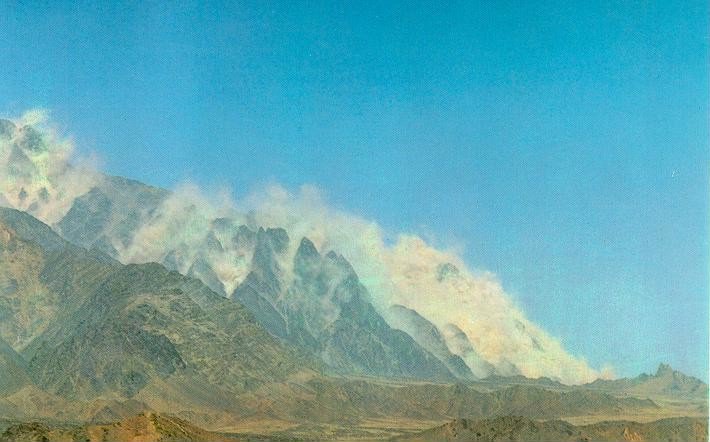
1998 Nuclear Tests: Overt Nuclearisation
| Aspect | Detail | Significance |
|---|---|---|
| Location | Chagai Hills | Symbolic |
| Nature | Multiple tests | Credibility |
| Response | Matched India | Parity achieved |
| Status | Declared nuclear power | Global recognition |
Assessment:
-
Tests confirmed deterrence and altered regional balance.
International Reaction & Consequences
| Area | Outcome |
|---|---|
| Sanctions | Economic pressure |
| Global attention | Strategic relevance |
| Diplomatic stance | Non-signatory of NPT |
| Security calculus | Deterrence accepted |
Doctrine & Policy
| Element | Position |
|---|---|
| Purpose | Deterrence, not aggression |
| Use | Defensive |
| Control | Centralised authority |
| Posture | Minimum credible deterrence |
Continuity Across Governments
| Period | Support for Programme |
|---|---|
| 1974–77 | Initiation |
| 1977–88 | Quiet continuation |
| 1988–98 | Capability consolidation |
| 1998 | Overt declaration |
Assessment:
-
Rare cross-regime consensus.
Comparison Snapshot: Before vs After Nuclearisation
| Aspect | Pre-Nuclear | Post-Nuclear |
|---|---|---|
| Security | Vulnerable | Deterrence |
| Regional balance | Unequal | Parity |
| World attention | Limited | High |
| Strategic autonomy | Constrained | Enhanced |
Impact on Pakistan’s Role in World Affairs
| Area | Effect |
|---|---|
| Strategic relevance | Increased |
| Crisis stability | Nuclear deterrence |
| Diplomatic leverage | Enhanced |
| Responsibility | Greater scrutiny |
Limitations & Risks (Contextual Balance)
| Issue | Effect |
|---|---|
| Sanctions | Economic strain |
| Proliferation concerns | Global pressure |
| Arms race | Regional tension |
| Cost | Resource diversion |
Evaluation Timeline: Development Path
| Stage | Outcome |
|---|---|
| Motivation | Security need |
| Decision | Political resolve |
| Development | Indigenous capability |
| Declaration | Strategic parity |
Examiner-Focused Final Judgment (Timeline Style)
| Question | Verdict |
|---|---|
| How did Pakistan develop as a nuclear power? | Through sustained political commitment, indigenous scientific development, secrecy under pressure, and eventual overt testing |
| Key trigger | Indian nuclearisation |
| Most important phase | 1974 decision & 1998 tests |
| Overall assessment | Pakistan developed as a nuclear power through a deliberate, long-term strategy driven by security imperatives and regional rivalry, achieving credible deterrence by 1998; this significantly enhanced its strategic importance in world affairs despite economic and diplomatic costs |
Paper 1: The History & Culture of Pakistan: Nationhood 1947-1999: How Effective Were Pakistan’s Governments In The Final Decade Of The 20th Century?: Why Did General Musharraf Take Power In 1999?
Prev
Paper 1: The History & Culture of Pakistan: Nationhood 1947-1999: How Important Has Pakistan’s Role Been In World Affairs Since 1947?: How Successful Has Pakistan Been In Its Relations With Bangladesh, India, Afghanistan, Iran, China, The Ussr/russia, The Usa, The Uk And The Commonwealth, And The United Nations?
Next